

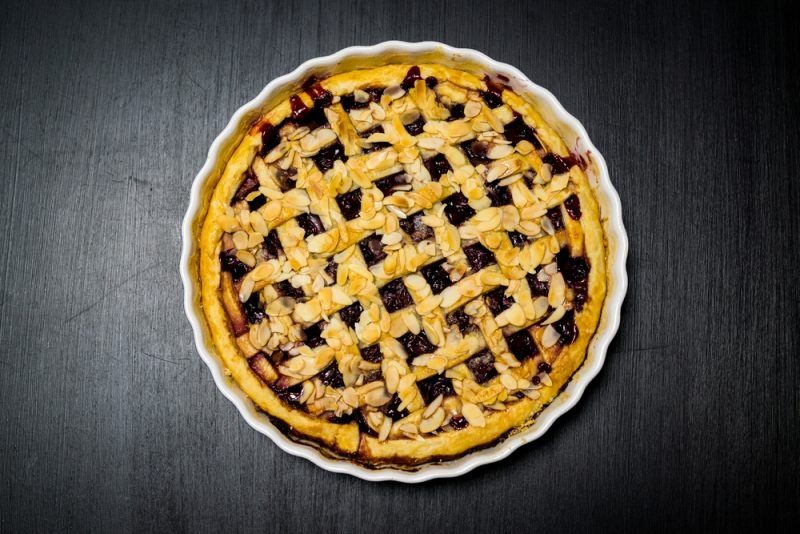
Nothing spoils a pie quicker than a soggy bottom, even if the filling's spot-on. Picking the right pie crust isn’t just about taste—it comes down to moisture, how long it bakes, what kind of fat you use, and whether you plan to serve that pie warm or cold.
You want the crust to actually work with the filling, not just sit there. Fruit pies need a base that holds firm, custard pies need something that blocks out extra moisture, and chilled desserts demand a shell that stays crunchy straight from the fridge. Once you get the hang of how crust and filling need to play together, your choices make way more sense.
The pie filling calls the shots. Fruit pies leak juice all over the place as they bake, so you need a crust that won’t fall apart under pressure. Apple, peach, or berry pies love a classic rolled pastry—those layers can handle wet, bubbling fruit.
Custardy pies like pumpkin or chess are a different story. These start out runny, which soaks into the raw dough and turns the bottom mushy. That’s why people par-bake those shells first.
If you’re dealing with something served cold, like chocolate cream or banana cream, you don’t need much muscle in the crust. Texture wins—so crumb crusts shine.
Here’s a quick breakdown:
Not every crust acts the same. Some puff up into flaky layers, some snap when chilled, and others are just super forgiving if you’re rushing. Rolled pastry is the old-school gold standard, giving you flakiness and flavor, thanks to layers of fat that melt as the pie bakes. Press-in crusts skip all the rolling and are almost foolproof.
Then you have crumb crusts—maybe the easiest of the bunch. You don’t need a special technique, just the right amount of crushed cookies or crackers and melted butter.
Let’s see different types of pie crusts now:
Butter brings two things: taste and that perfect golden brown color. When a butter pie crust bakes, the milk solids caramelize and leave you with unbeatable flavor. Fruit pies, galettes, and hand pies—they all turn out great with a butter-rich dough. One tip: wrap the edge with foil near the end so it doesn’t burn.
Want crunch? Go for a crumb crust—works with graham crackers, vanilla wafers, or those chocolate sandwich cookies you have in the pantry. Mix about 1½ cups of crumbs with 5 or 6 tablespoons of melted butter for a 9-inch pie. If you want, swap in a handful of toasted nuts for some of the crumbs. Little changes, big upgrades.
If you’re making a fruit pie, you want a crust that can actually hold everything together. Apple, peach, blueberry, cherry—all those classic pies load up on juicy fillings, and a weak crust just can’t keep up. Rolled pastry works best here. You’ll need to cut vents or weave a lattice on top. That way, steam escapes, and you don’t end up with juices bubbling over in the oven.
Sprinkle a little sugar into your dough before rolling it out—it helps with browning and gives the crust a boost in flavor.
Pumpkin, buttermilk, and chess—these custard pies have a different challenge. Their fillings are full of moisture, which means your crust has to be ready for it. Blind baking saves the day: line your chilled shell with parchment, toss in some pie weights, and bake it for around 15 minutes before you add the filling. Right after that, brush the warm crust with a beaten egg white. That extra step helps block the filling from soaking into the crust.
Think chocolate cream, coconut cream, peanut butter, and key lime. These pies are all about silky, fluffy, rich filling. But that means they beg for a little crunch. You can use a fully baked pastry shell, but honestly, graham cracker or cookie crusts usually give you better contrast after the pie sets in the fridge. Press the crumbs into the pan really well, and you’ll get slices that hold their shape.
Ask yourself:
Those quick questions point you in the right direction every time.
Don’t forget temperature changes everything. Some crusts taste perfect right out of the oven, but stiffen up and lose their magic once cold. Others finally come into their own when chilled. So, know how you’re serving that pie—and you’ll always end up with a crust that fits the job.
If you make your own pie crust, you’re in charge—how sweet, how thick, how flaky. Here’s a basic pie dough recipe:
That’ll get you enough dough for a double-crust pie. For maximum flakiness, don’t overwork the dough. Leave little bits of butter or fat visible; those melt in the oven, releasing steam and making the crust tender. If things start to get warm or tacky, stop and pop the dough in the fridge for a few minutes.
This can’t be said enough: cold fat is key. When it melts in the oven, it gives off steam, which separates the layers of dough and creates that flaky pie crust. If the fat gets warm—well, then you get a tough, dense crust. Only add enough water to make the dough hold together; if it feels wet, you’ve gone too far.
Give your dough a break before rolling it out. That way, the flour absorbs the moisture, and the gluten relaxes, which keeps your crust from shrinking in the oven. Roll from the center outward, turning the dough as you go to keep things even. Once you’ve got it in the pie pan, chill it again for about 20 minutes before baking.
Don't Miss This: Top 10 Most Popular Pies in the U.S. – A Sweet Ranking!
Good pie crust matches the filling. Fruit pies need strong, vented tops. Custard pies need a crisp, dry base. Creamy pies want that crunchy contrast. When you think about the filling, the baking method, and even how you’ll serve the pie, it’s easier to get great results—pies that slice clean, taste amazing, and feel like a little win every time.
The smallest tweaks can take your pie from just OK to unforgettable.
Yes, but it might not be the best choice for all pies. Basic pastry pie crust is versatile and can work for most recipes, while cream pie often does better with a crumb crust, as it holds the filling better and creates a neater slice.
When a wet filling is put in an under-baked pastry crust, this is likely the cause. You can avoid a soggy bottom by both blind-baking the crust to fully set it up and by making sure your filling is properly thickened so it doesn’t leach moisture.
For the best flavor and appearance, most people opt for butter. But shortening is the easiest ingredient to work with, as it gives it a more delicate, flaky pie crust. When working on most recipes, it works best to use half shortening and half butter.
Whether you’re making a sweet or savory pie, rolling your dough out to about 1/8th of an inch will generally yield great results and the most structurally supported pie.
This content was created by AI