

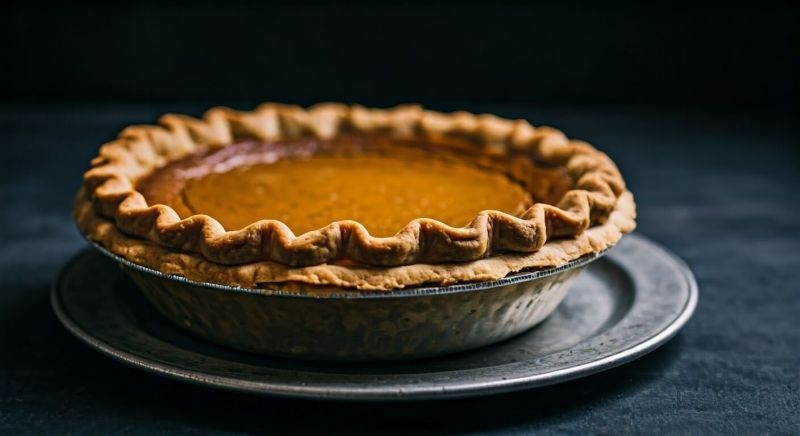
Classic American pies are more than desserts placed at the end of a meal. They represent comfort, routine, and shared time at the table. Baking is not only about taste but also about memory for many families.
This blog helps you find everything about classic American pies and explains the right steps to prepare a pumpkin pie recipe.
There is a reason classic American pies never disappear from dinner tables. They are simple, filling, and easy to understand. A crust holds a sweet or rich filling. It sounds basic, and it is. That simplicity is part of the appeal.
Families prepare them during holidays, but also on quiet weekends. A pie does not demand attention. It sits at the center of the table, sliced and shared. No complex decoration is required.
Flexibility is a huge reason behind its popularity. Apples, pecans, pumpkins, berries, and even sweet potatoes all fit into the same basic structure. The form stays consistent, but the flavor changes. That balance keeps the tradition alive.
You can check below to understand the different aspects of apple pie history:
The history of the apple pie begins with the settlers who brought baking skills from Europe. The settlers had pie-making skills that involved flour crusts and fruit fillings. The apples were sliced, sweetened, and put inside the dough.
The growth of apple farming directly influenced the history of the apple pie. Apples could be stored for up to six months. This made them valuable beyond the harvest season. This was important. It meant that pies were not confined to a single season every year.
The history of the apple pie went beyond the kitchen. The pie became a symbol that was used in cultural expressions. The pie represented home, comfort, and shared values. This symbolism was not the result of marketing. It resulted from repetition. The pie was served at family gatherings, and these gatherings created memories.
You can check below to understand the pecan pie origins:
Pecan pie origins began in areas where pecans were harvested regularly. The nuts were plentiful, and cooks needed ways to use them. They combined pecans with sugar, eggs, and butter to create a thick filling. The mixture baked into a dense layer beneath crisp nuts. It was rich but straightforward.
The development of pecan pie origins depended heavily on what was already in the kitchen. Eggs, sugar, and butter were common staples. Pecans added texture and depth without requiring extra tools or rare supplies. This made the pie manageable for home bakers. It did not demand advanced skills. The simplicity allowed it to become a regular feature during gatherings.
Eventually, pecan pie's origins became closely linked with seasonal celebrations. Autumn harvest meals often included it. Winter holidays did as well. Its sweetness suited festive settings. But it was not just about flavor. Repetition built meaning. When families served the same pie each year, it became part of the event itself. That steady presence strengthened its cultural role.
Must Read: Easy Chicken Pot Pie Recipe | Homemade & Healthy Ideas
The following list of steps can help in preparing the best pumpkin pie recipe:
A strong pumpkin pie recipe starts with good pumpkin puree. Fresh pumpkin can be cooked and blended, or prepared puree can be used. The key is smooth texture.
Eggs, milk, sugar, and mild spices are mixed carefully into the puree. The mixture should be stirred until even. Not rushed. Even blending prevents uneven baking later.
The crust forms the base, so it must hold firm during baking. Cold fat helps create a tender texture. The dough should be rolled evenly and placed gently into the dish.
Some bakers partially bake the crust first. This reduces moisture from the filling. It is a small step, but it prevents a soft bottom.
When baking a pumpkin pie recipe, temperature consistency is important. The oven should be fully preheated. Sudden temperature changes can affect texture.
The pie should bake until the edges are set and the center moves slightly. Overbaking can cause cracks. Cooling is necessary after removal. The filling firms up as it rests. Cutting too soon can lead to uneven slices.
You can check below to find out the different Traditional pie flavors USA that people love:
Cherry pie offers a balance between sweet and tart. During baking, the fruit softens and thickens naturally. The filling becomes rich without heavy ingredients.
Many families prepare cherry pie during warmer months when cherries are in season. It fits outdoor meals and casual gatherings. The flavor feels bright but still grounded in tradition.
Blueberry pie stands out for its deep color and mild sweetness. When baked, the berries release juice that blends with sugar into a smooth filling.
In several regions, traditional pie flavors USA include blueberry pies because the fruit grows well in certain climates. The recipe stays simple, allowing the natural taste to lead.
Sweet potato pie uses mashed sweet potatoes combined with milk and sugar. The texture becomes smooth and firm after baking.
This pie appears frequently during holiday meals. It reflects regional cooking habits that focus on available produce and familiar preparation methods.
Baking classic American pies successfully depends on small details. Each step contributes to the final outcome.
Fresh ingredients improve taste naturally. Overuse of sugar can hide natural flavors. Balance keeps the filling clear and steady.
Dough should be handled lightly. Overmixing leads to toughness. Chilling before rolling helps maintain structure during baking.
Different fillings require different baking times. Fruit pies may need longer heat than custard-based pies. Watching crust color helps guide timing.
Classic American pies continue to hold a steady place in kitchens across the country. Their history, regional roots, and simple methods explain their lasting appeal. Whether fruit, nut, or custard-based, these pies remain connected to tradition, shared meals, and practical home baking that values consistency over trend.
They focus on a simple crust and balanced filling, often shaped by regional ingredients and traditions.
It became widely available through farming and gradually symbolized comfort and shared family experience.
Its growth followed the availability of pecans in southern regions and its repeated use during holidays.
This content was created by AI